
2025 was a year of growth. We pushed our products further, strengthened our commitment to open source and digital sovereignty, and brought new projects and partnerships to life. Behind every milestone was the dedication and talent of our XWikiers, quietly and consistently keeping everything on track. After an intense and rewarding year, we paused to look back, reflect on how far we've come, and capture the story of our growth. We invite you to discover our journey through 2025.
*
Company Achievements
💼 Welcomed new clients
Last year, we were honored to start working with companies and institutions that chose XWiki as their go-to knowledge management solution.
In the public sector, many organizations have chosen XWiki to ensure data sovereignty, regulatory compliance, and long-term flexibility for their platforms. Some of them include:
- Amnesty International Germany
- The University of Innsbruck
- The French ministry of Agriculture and Food
- The University Hospital of the LMU Munich
In the private sector, established companies have relied on XWiki to manage their knowledge at scale, such as:
- Proximus
- HM.CLAUSE
- Polytec GmbH
- Holisticon AG
For Amnesty International Germany, we also took the opportunity to work on a business case where we detailed our collaboration with KnowledgeBase Consulting (KBC).
Amnesty International is a global movement with over 6 decades of experience in defending human rights and a presence in more than 150 countries. In Germany, Amnesty International brings together thousands of members and volunteers that advance advocacy, campaigns, and community action.
To support this growing community, Amnesty International Germany needed a modern, internal knowledge base. They were seeking a platform that was easy to use, designed for collaboration, and flexible enough to evolve with their mission. Together with XWiki SAS and KnowledgeBase Consulting (KBC), one of XWiki SAS's premium partners, they set out to build exactly that. Amnesty International Germany now benefits from a dynamic, open, and scalable platform designed to grow with its community and act as a central hub.
*
🤝 Founded new strategic partnerships
2025 has been a great year for partnerships. It gave us the chance to open new doors for collaboration and expand our presence across Europe. This is especially true for organizations interested in knowledge management solutions and digital sovereignty. If you’re curious about the strategic alliances we formed last year, be sure to check out our dedicated partners page. You can also dive deeper into each collaboration in our blog articles.
A highlight from 2025 is our partnership with OpenProject, formalized last summer. Together, we’re offering a strong open-source alternative to Atlassian Confluence (XWiki) and Jira (OpenProject). More companies are looking for options beyond proprietary software that can put their data and digital assets at risk. Therefore, this collaboration is a natural fit. Both XWiki and OpenProject share a commitment to empowering users with open-source tools that give them control over their digital stack.
*
🚀 Launched new tools
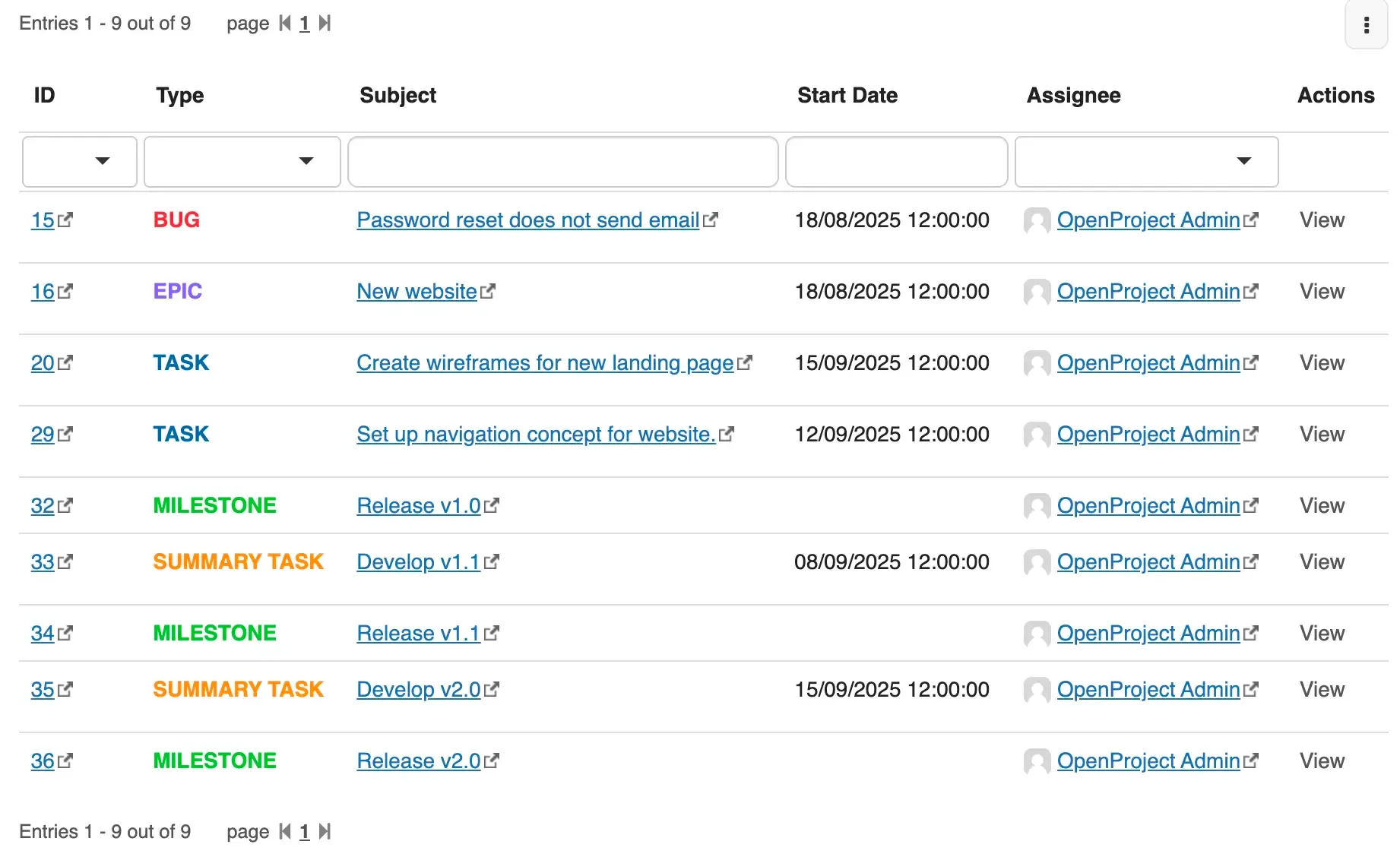
Building on our partnership with OpenProject, we took things to the next level by launching Open Project Integration (Pro). It's a brand-new project management tool that connects your OpenProject instance directly to XWiki. With this new app, you can pull filtered work packages right into your wiki pages. This gives project managers and team leads an easy way to keep everything organized and aligned in one open-source workspace. So if you're thinking about moving away from Confluence and Jira, this integration makes the switch effortless.
*
🌐 Reconnected with open-source communities at European events
- Univention Summit — We kicked things off at the Univention Summit, where we were Silver Sponsors. The XWiki SAS team was represented by Ludovic, CEO of XWiki SAS, Clément, Sales Director, and Jean-Sébastien, Account Manager. We also teamed up with our friends at OpenProject in a shared booth. It was a great opportunity to show how our tools complemented each other as a strong, open-source alternative to Confluence and Jira.
- FOSDEM 2025 — We attended once again FOSDEM, the biggest free open-source event in Europe. Here we showcased our latest advancements, hosted meaningful discussions, and strengthened our connections. Attendees had the chance to visit our stand, where they could explore live demos and ask questions. We also hosted the Collaboration and content management devroom, bringing together experts to discuss the future of open-source collaboration.
The (already) traditional FOSDEM group photo
- AlpOSS — This event gathers under the same roof key open-source software providers and open-source users and adopters. Each presentation is limited to a tight 15-minute slot, a challenge we were excited to take on. Ludovic gave a talk titled The future of collaboration in open source, where he shared insights on how open-source tools transformed the way organizations worked.
- Open Source Founders Summit — The Open Source Founders Summit brings together CEOs and founders of open‑source companies to tackle business challenges that don’t fit neatly into traditional startup or tech-only events. Ludovic represented XWiki with a lightning talk titled Paying open-source extensions: an alternative to open core. His presentation explained how our Pro Apps model balances full open-source extensions with monetization, without adding proprietary layers.
- Journées du Logiciel Libre (JdLL) —\\ \\At the 26th edition of JdLL in Lyon, Fabrice, our R\&D engineer, gave a talk titled What does cryptography really mean in software? He explained how cryptography protects user data, why many everyday tools fall short on security, and how digital signatures and end-to-end encryption work in practice. His presentation also showed how CryptPad applies these principles to offer secure, real-time collaboration without compromising user control.
- COOL Days — In early June, we attended COOL Days in Budapest, the annual community event organized by Collabora Online. Lavinia, our Senior Software Development Engineer, gave a presentation on how Collabora Online was integrated into XWiki. She showed how users edited office documents directly within XWiki pages and shared technical insights from our recent work on improving user experience and performance. She also joined discussions with other developers about shared challenges and potential improvements in collaborative editing for open-source tools.
- Nextcloud Summit — Ludovic, Clément, and Dan, our Marketing Director, attended the 2025 edition of Nextcloud Summit. It was a chance to meet with open-source partners and users from across Europe, and to talk about digital sovereignty and public-sector collaboration. Clément gave a talk focused on what we’ve learned from helping organizations migrate away from Confluence. He shared practical advice on preparing for migration, avoiding common mistakes, and using XWiki to create a flexible and long-lasting knowledge base.
- APELL Conference — Organized by the Association Professionnelle Européenne du Logiciel Libre, the APELL Conference brought together leaders from across the open-source ecosystem to discuss sustainability and business models. Ludovic gave a presentation titled Sustainable open source: XWiki’s paying Apps model in practice. He explained how we’ve built a financially sustainable business while keeping all our extensions fully open source.
- Interstis meet-up — We attended the Interstis meet-up in Ville-la-Grand, the first municipality to fully deploy the Hexagone suite. Developed by Interstis and partners under the France 2030 plan, Hexagone is a secure, sovereign collaboration platform for local administrations, now used daily by around 100 municipal employees. Cédric, our Account Manager, gave a short presentation on how XWiki contributed to this ecosystem. He highlighted how local governments could use XWiki and CryptPad for everyday collaboration without giving control to big vendors.
- OW2con’25 — The 2025 edition focused on responsible digital infrastructure, open standards, and the future of open-source business models. Ludovic gave a talk titled AI, SaaS and open source: Challenges or opportunities for open source companies?\\ \\The presentation explored the growing use of AI in collaborative SaaS platforms and the impact this has on pricing, user control, and data protection.
🏆 During the event, CryptPad received the OW2 Community Award 2025. This was a well-deserved recognition for the project's privacy-first design and the active role of its contributors and users.
Fabrice and Clément on stage to receive the OW2 Community Award 2025
- NGI Forum — At the NGI Forum in Brussels, Ludovic took part in the Impact Stories roundtable, joining policymakers, researchers, and open-source practitioners to discuss the role of ethical digital tools in Europe’s future. He presented 2 EU-supported projects developed by our team. The 1st one is CryptPad, our end-to-end encrypted collaboration platform. The 2nd one is WAISE, a customizable LLM-powered chatbot integrated into XWiki and used for knowledge search and content transformation. WAISE is built with privacy and transparency in mind.
- DG Connect workshop — At the end of June, Ludovic joined a high-level meeting in Brussels hosted by the European Commission’s DG Connect, facilitated by the European DIGITAL SME Alliance. The session brought together CEOs from several European cloud and open-source companies to discuss how to advance a sovereign European cloud ecosystem. Ludovic highlighted the need for open standards and long-term investment in EU-based development teams.
- Smart Country Convention (SCCON) — At the ZenDiS booth, alongside our partners from the openDesk ecosystem, we welcomed a steady flow of visitors. It was an opportunity to hold in-depth discussions with stakeholders from politics, administration, the public sector, and the press. Much of the conversation focused on openDesk itself. One year after its launch at SCCON 2024, we shared real feedback and success stories from organizations using the stack. Clément and Ludovic demonstrated how XWiki and CryptPad fit into openDesk and highlighted what we’ve learned. For many visitors, it was reassuring to meet the teams behind the stack and see a sovereign solution already in action.
- Hexagone Tour — In October, we joined the Hexagone Tour in Toulouse, part of the Hexagone suite project led by Interstis and funded by France 2030. XWiki was one of the key building blocks, alongside partners like Linphone, BlueMind, Parsec, Tranquil IT, and 3DS Outscale, contributing to a fully French, sovereign collaboration suite. Cédric shared how XWiki supports teams with a knowledge and collaboration platform they can run, govern, and adapt locally as part of a broader sovereign stack.
- it-sa Expo & Congress — We returned for a second year in a row at it-sa Expo & Congress in Nuremberg, one of Europe’s main meeting points for IT security. At our stand, Ludovic and Clément met with security professionals and public institutions. They discussed secure collaboration in environments where trust, control, and auditability are non-negotiable. Interest was strong around 2 needs we see more and more in regulated contexts. First, a structured knowledge platform that can be self-hosted and inspected, with no hidden dependencies. Second, collaboration that protects sensitive information by design, which is where CryptPad’s end-to-end encryption resonated.
Clément and Ludovic at the XWiki SAS stand for it-sa Expo & Congress
- Swiss IT Forum(s) — This was our first time at Swiss IT Forum(s) in Geneva. The event brought together IT leaders and decision-makers from across Switzerland, and it was a great setting for honest, practical conversations about infrastructure, security, and long-term control. At the XWiki and CryptPad stand, Dan and Pauline, our Partnerships Manager, spent 2 full days in demos and discussions. Visitors came with specific setups, constraints, and timelines. They wanted to see how structured knowledge works in practice, how access rights and governance are handled, and what ownership means once the tool is in production.
- Capitole du Libre — We returned to Capitole du Libre in Toulouse, a conference known for its concrete, technical discussions on free software. Ludovic joined a round table on digital sovereignty, emphasizing that free software is a strategic choice, not just a nice-to-have. In 5 years of Confluence to XWiki migrations: what we learned, he and Anca, our Client Services CTO, shared lessons from major projects. Later, Ludovic presented 20 years of hacking the funding of XWiki and CryptPad, offering a candid look at the business realities of sustaining open-source collaboration tools. CryptPad was also featured in Security by design through end-to-end encryption, where Fabrice explained how its cryptography ensures privacy without sacrificing usability.
- European Digital Sovereignty Summit (Berlin) — In November, XWiki representatives attended this Franco-German event in Berlin. It brought together political leaders, public institutions, and open-source actors around a shared acknowledgment: Europe’s digital dependency is no longer theoretical, and sovereignty has become a strategic urgency. A strong signal came from the Magic of Open Source pavilion, hosted by APELL and the Open Source Business Alliance. There, open source was presented as the foundation of sovereign IT, with concrete projects and providers showcased side by side.
- Nextcloud Enterprise Day (Paris) — We also attended this partner-focused event bringing together organizations already running or evaluating open-source collaboration platforms at scale. The conversations naturally built on what we’d covered in our joint webinars. For many attendees, it was an opportunity to look beyond individual tools and discuss a complete, open-source collaboration setup that can grow with their needs.
- Open Source Experience (OSXP) — We closed the season in Paris at Open Source Experience with a larger presence, featuring a joint booth with OpenProject and a spot at the Orange stand. In our workshop, Sovereign Alternatives to Atlassian Jira and Confluence, we showed how XWiki and OpenProject worked together, linking knowledge and projects while covering real deployment needs. The program also highlighted ecosystem innovation: Manuel, our Senior R\&D Engineer, showcasing Cristal, MaiaSpace's presentation on using XWiki and AI, and Ludovic and Fabrice's talk on CryptPad’s end-to-end encryption. Day 2 focused on partnerships and migrations, with Anca sharing lessons from the European Parliament’s move from Confluence to XWiki and Clément discussing Orange.
🏆 XWiki also received the CNLL award for commercial development, recognizing our work growing open-source solutions in professional and institutional contexts.
XWiki and OpenProject at the joint booth for OSXP 2025
🎫 …and held our own events
- FOSDEM meetup — In 2025, we teamed up with Nextcloud and OpenProject to host an even bigger XWiki & friends meetup. Held at Scott’s Bar & Kitchen in Brussels, it was the perfect way to unwind after a full day of sessions. The first round of drinks was on us, setting the stage for an evening filled with great conversations and connections. Attendees shared experiences, discussed the latest in open-source collaboration, and exchanged ideas on everything from technical challenges to community growth.
- Real-time editing with XWiki and Collabora Online — In this live webinar, attendees explored the seamless integration of Collabora Online within XWiki. The session was moderated by Ștefana Nazare, Product Owner at Wiki SAS, and held by Lavinia Vițel, Senior Software Development Engineer at XWiki SAS, and Eloy Crespo, VP of Sales and Business Development at Collabora. Lavinia and Eloy showcased the integration of Collabora Online into XWiki via the Collabora Connector App (Pro), how it can be installed in a wiki, and how it improves workflows. During the webinar, we covered key topics and demonstrated practical applications of Collabora Online within XWiki.
- CryptPad Enterprise: The encrypted workspace teams actually want to use — Ludovic, our CEO, hosted an engaging webinar showcasing CryptPad Enterprise's powerful capabilities. Attendees got a firsthand look at how organizations can achieve truly private collaboration without compromising on features or usability. The live demonstration highlighted CryptPad's end-to-end encryption, collaborative editing tools, and enterprise-specific features. Ludovic also shared insights into our security architecture. At the end, attendees had the opportunity to ask questions, covering topics such as future developments, security concerns, and enterprise integrations.
- Why choose XWiki? Is it the right fit for your team's knowledge needs? — This webinar allowed attendees to explore how XWiki empowers organizations to retain critical knowledge in-house, enhance operational efficiency, and foster a collaborative culture. The session was led by our XWiki experts, Cédric and Clément, who provided insights into XWiki's capabilities and demonstrated its practical applications.
- From print to online: How HLS modernized their platform with XWiki — Attendees joined this webinar to see how the Historical Dictionary of Switzerland (HLS) transformed an outdated publishing system into a modern, collaborative platform that supports multiple languages. Neculai Dăscălița from XWiki and Stéphanie Summermatter from HLS shared their experience, from initial challenges to practical lessons you can apply in your own organization.
- Your complete open-source migration stack: Break free from Confluence — The goal of this joint webinar with Nextcloud was to show what a complete open-source migration stack looks like in practice, using XWiki and Nextcloud. We covered why teams are now actively planning their next steps, given Atlassian’s Data Center timeline. Then we walked through migration strategy and a live demo of the Confluence Migration Toolkit. The focus wasn’t just on “moving pages.” It was keeping what makes a wiki usable: structure, permissions, macros, attachments, and validation after import.
- Stay in control after Atlassian Data Center: Discover the open-source alternative — For this webinar, we teamed up with OpenProject, having Ștefana Nazare (XWiki) and Robin Wagner (OpenProject) as hosts. We focused on 3 concrete things. First, we showed how XWiki and OpenProject cover the core use cases teams typically run on Confluence and Jira. Second, we demoed how the 2 tools connect in practice through the OpenProject Integration (Pro) in XWiki. This keeps knowledge and project tracking linked instead of living in separate silos. Finally, we walked through what a realistic migration methodology looks like.
*
🎙 Continued to advocate for open source and digital sovereignty
At XWiki, open source is part of our lifeblood, from the tools we use, to the practices we adopt, and the way we conduct business. In 2025, we gathered a lot of perspectives from our teammates about working in open source through our ongoing series of articles about their professional journeys at XWiki:
We've also continued to highlight through dedicated blog articles the benefits of using open-source software and made compelling recommendations of alternatives to proprietary tools:
*
Products
XWiki
🔧 17.x cycle overview
In the 17.x cycle, we continued to strengthen XWiki’s usability, collaboration, and scalability by introducing a range of enhancements across the platform. We added the ability for users with edit rights to pin pages in the navigation panel. This way, it becomes easier to highlight important content and organize access to key resources. Page management was improved through expanded sorting options in the Page Tree Macro. This allowed pages to be ordered by name, title, creation date, or last modification date. Image handling in the editor was also enhanced, with pasted images now automatically uploaded as attachments to ensure long-term accessibility.
We redesigned the real-time editing toolbar to streamline collaboration, focusing on essential actions and clearly displaying active editors. Users can now toggle and resize panel columns for greater control over workspace layouts. At the same time, administrators benefit from a new, safer interface for configuring required rights and enforcing page-level permissions. Advanced users can also experiment with the new BlockNote editor, introduced as a modern alternative to CKEditor 4.
Performance and interface improvements were another key focus. This included faster notifications and icon rendering, more consistent Live Data pagination, and a refreshed macro configuration experience. Real-time editing was further enhanced through cluster support, per-user Undo/Redo, and session-preserved edits. We also improved S3 storage and clustering for attachments and pages to support better scalability, and introduced a new parameter picker to simplify macro configuration.
Together, all these updates reinforce XWiki’s commitment to delivering a more efficient, secure, and collaborative knowledge management platform.
☁ XWiki Cloud updates
XWiki Cloud is the most convenient and cost-effective way to run XWiki. We take care of the setup, hosting, upgrades, maintenance, and backups, so you can focus on your business. In 2025, our Cloud demo platform was updated to XWiki 16.10.12, which includes bug fixes, security, and performance improvements. Moreover, to offer a smoother experience for testing XWiki, especially for those migrating from Confluence, Cloud demo instances now come with 3GB of memory by default. This allows for faster and more reliable demos, including running heavy tasks like content imports or complex setups.
🔑 CryptPad
In 2025, CryptPad received ongoing improvements to make encrypted collaboration smoother. Early in the year, the Document and Presentation apps were opened to all users, mobile and touch experiences were refined, and overall performance was improved, especially on large or mobile drives. Later updates included further usability enhancements and accessibility improvements. The team also introduced a developer integration API for embedding CryptPad’s encrypted editors. The UI was upgraded with new icons and a simplified loading screen. Lastly, the old Rich Text app is being replaced with BlockNote, a block-based editor that offers similar formatting and features to Rich Text but through a much simplified interface.
🔭 R\&D and innovation projects
- AI assistant in XWiki (BETA) — In the last few months, we’ve been working on creating an integrated AI offering for our clients. Our goal is to make the LLM Application a ready-to-use solution with practical, real-world benefits. That’s why we’ve been engaging with clients to understand their needs and refine the features accordingly. We will always allow customers to bring their own model and LLM running platform. Also, to ensure reliability and compliance, we plan to partner with European AI providers to run the models, maintaining data security and regional compliance. We’re also committed to transparency, offering a straightforward pricing model with no hidden costs.
- Cristal, a new wiki UI — We've done a few releases in 2025 that brought improvements and new features. Developers can now manage settings through a dedicated Settings API. Users can configure their back ends at runtime, without editing code or restarting the app. Performance improvements make notifications and icon rendering faster, which reduces overall page loading times. We also delivered several UI improvements, including a more consistent Live Data pagination and a refreshed macro configuration experience. Moreover, after a year of active development and testing, BlockNote is now the default editor in Cristal! This marks an important step toward a more modern, reliable, and enjoyable editing experience. In addition, Cristal also supports Nextcloud authentication, letting you store your documents directly in your Nextcloud instance.
*
Spread the word
Every day, our team works hard to make XWiki even better by implementing new features, improving the existing ones, or sharing useful tips. Be it via chats, emails, our help center, or articles, we want to make sure everyone gets the best out of their instance. Below is a short list of the pieces we put together in 2025:
👀 Knowledge sharing for better experiences
- Knowledge management vs. content management | Key differences and tools
- Knowledge base software vs. content management system: What to choose?
- Notion vs. Confluence: Which one is better?
- How to build an HR knowledge base that doesn't suck
- How to choose the best knowledge management software for your team
- Top knowledge management trends for 2026
💡 Guides for easier usage
- \[The ultimate guide to knowledge management software]\(/en/The Ultimate Comparison | Compact)
🗞 Newsroom
We also took the time to put together a new space dedicated to journalists, editors, and anyone covering open source, collaboration, and digital sovereignty. Here you’ll find our press releases, media resources, visuals, and contact details for interview requests or expert opinions.
*
Life at XWiki
👐 Consolidated the team
At XWiki, not only do we advocate for the values of open source, but we also practice what we preach. This, together with the passion and motivation that drive us to pursue common goals are the recipe for a powerful and successful team that continued to grow and evolve significantly in 2025.
- We parted ways with some great colleagues: Alina, Marian, and Paul
- We welcomed stellar additions to our teams: Iulian as a 3-month intern, Rareș, Damien, Clément, Erwan, Dan, Eleni, Sarah, Andreea, Roxana, and Alex
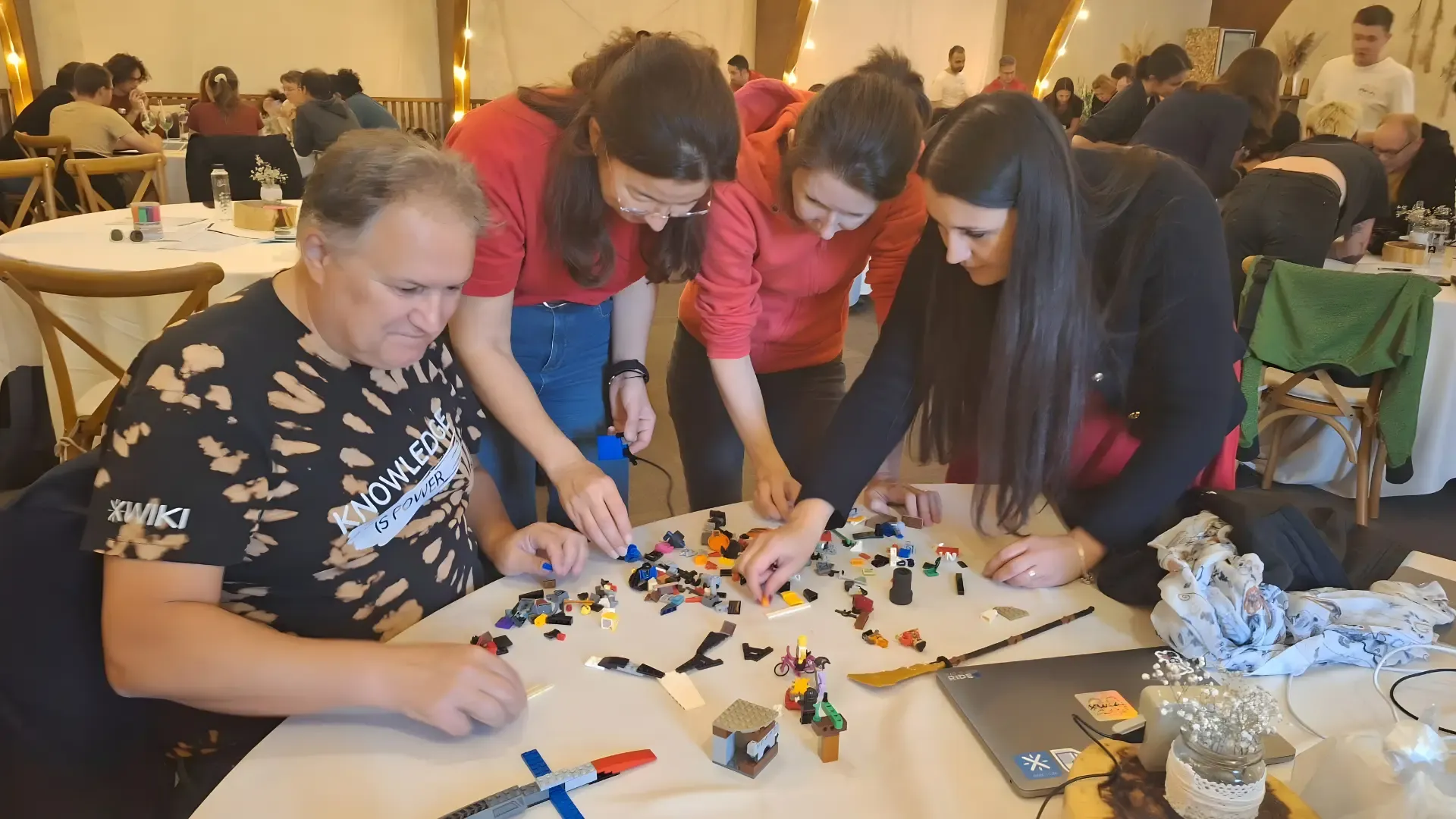
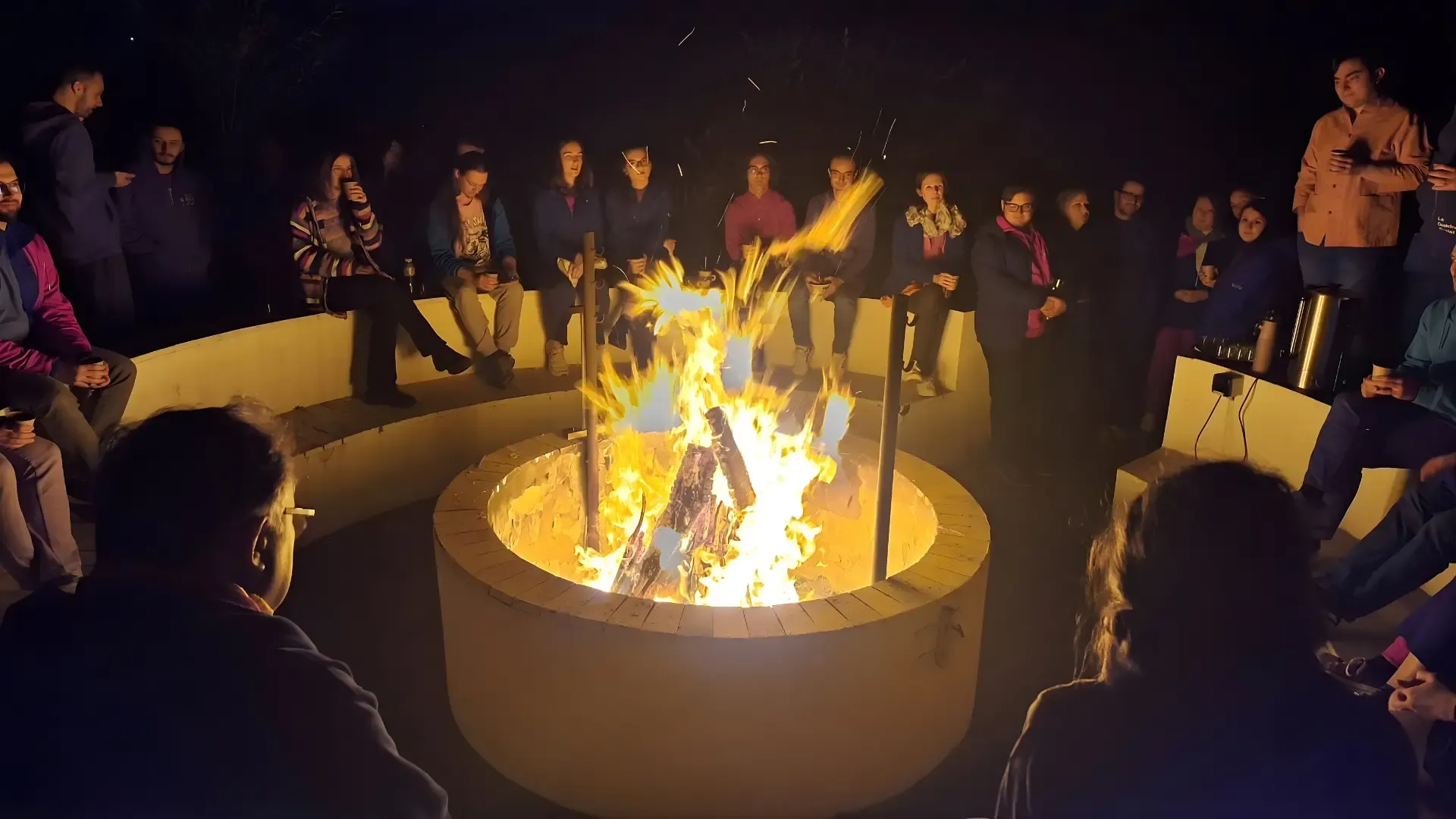
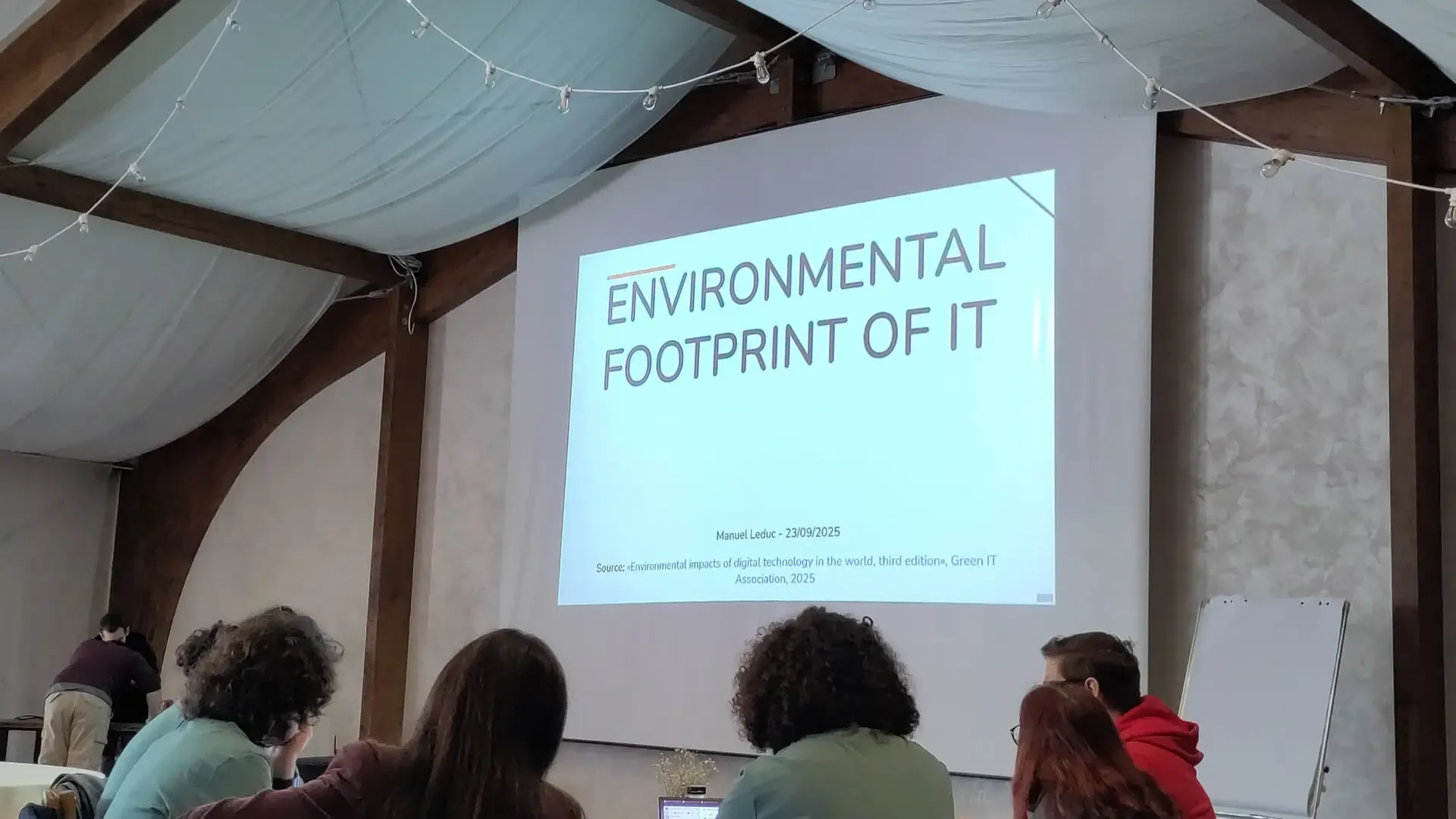
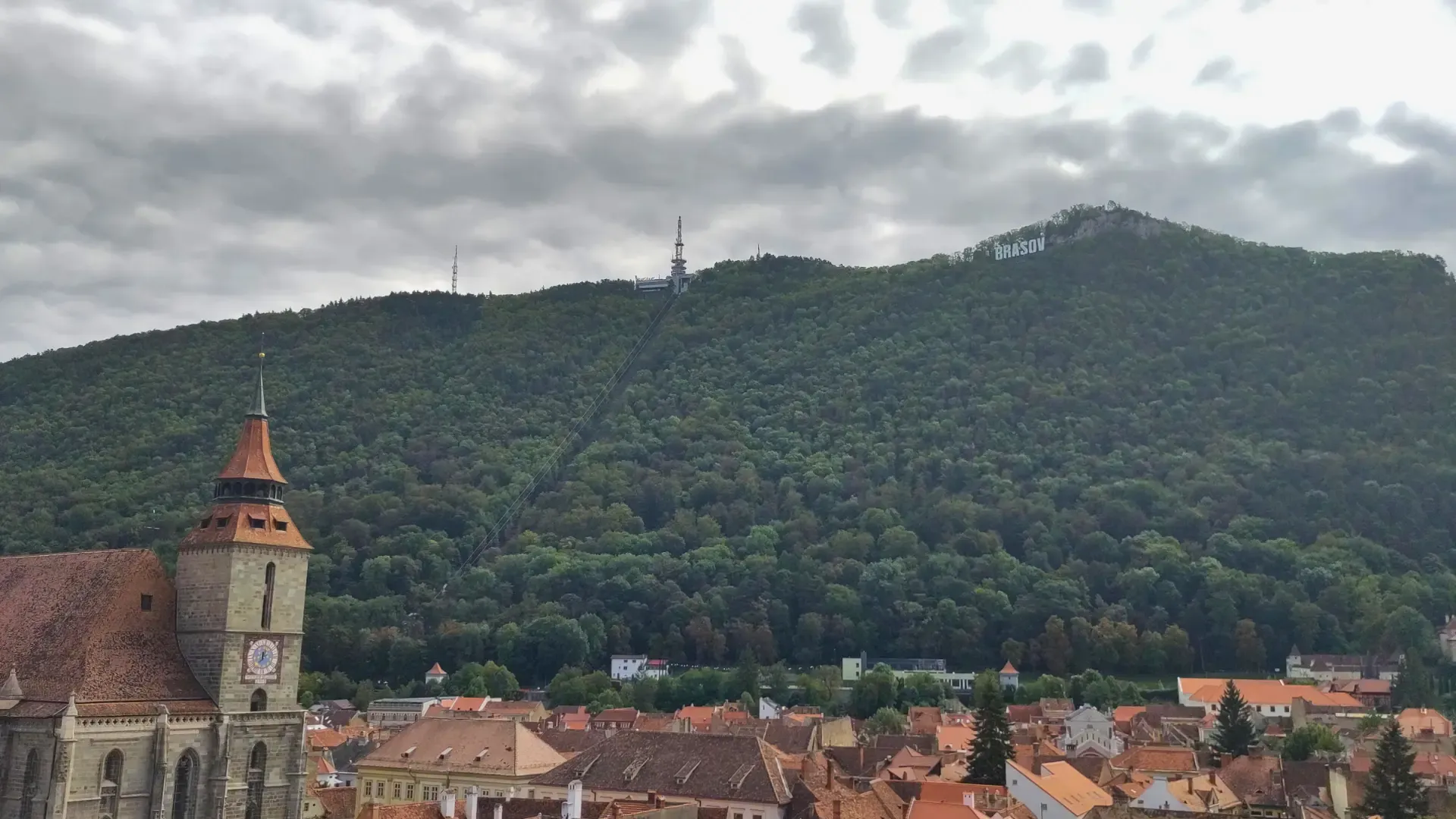
In September, the XWiki team met again for the 17th edition of the XWiki Seminar. This is our annual team building event, when both the XWiki and CryptPad teams get together for a week to meet in person, bond, and brainstorm. This time, we chose the Wolkendorf Bio Hotel in Vulcan, a commune in Brașov, Romania. It was the perfect mix of nature, calm, and connection. Exactly what we needed to recharge before another busy season. The seminar marked another milestone for our growing team. In 2024, for our 20 years anniversary, we gathered 57 XWikiers in person and 7 remotely. One year later, our team grew even larger, with 61 of us meeting on-site and 5 joining online.
Last but not least, the long-awaited hackathon, which has already become a tradition for the XWiki seminars, provided us with the chance to contribute to new features and applications or suggest new ideas through cross-team collaboration.
🗓 Carried on with our 4-day work week fortnightly formula
Back in 2022, we began experimenting with a day off every 2 weeks, a bold step towards reimagining our work-life balance. Since then, we’ve made it a priority to assess the impact of this approach each year. In 2025, after careful evaluation, we decided to make this benefit a permanent one!
As in previous years, XWikiers shared important positive outcomes: improved work-life balance, sharper focus, and a noticeable boost in morale, motivation, and productivity. We’re still learning valuable lessons in balancing workload and days off during some crowded periods. In 2025, we brought some useful improvements to our internal processes and tools to better accommodate our 4-day work week fortnightly formula.
*
Wrapping up our 2025
Open source is constantly evolving, and XWiki SAS is ready for what comes next. We are reinforcing our commitment to privacy, transparency, and digital sovereignty, and our full alignment to our Manifesto. We also want to express our sincere gratitude to everyone who has been part of our journey. Contributors, users, and supporters alike have shaped XWiki into what it is today. Your involvement means everything to us!